Imagine a medicine that could stop opioid withdrawal in a single night and quiet drug cravings for weeks afterward. That’s the promise many people report seeing in ibogaine, a naturally occurring psychedelic that’s gaining attention for its potential to help people overcome substance use disorders.
But what exactly is ibogaine? How does it work? And why is Colorado exploring ways to make it available while the rest of the U.S. still classifies it as illegal? As a treatment provider and Doctor of Psychology, I needed answers to these questions, so I set out to find them.
What is Ibogaine?
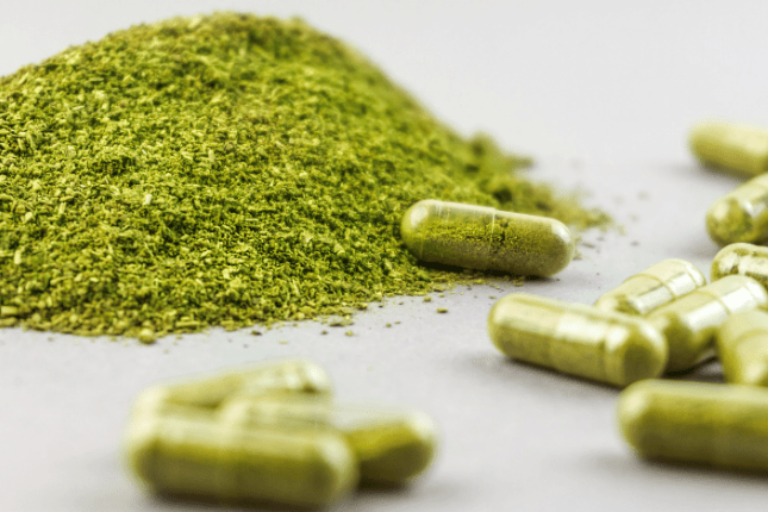
Ibogaine is a psychoactive compound from the root bark of the African shrub Tabernanthe iboga. Although it’s illegal at the federal level in the U.S., it’s drawing attention because some people report that one carefully monitored session can rapidly ease opioid withdrawal and reduce cravings for weeks.
For centuries, it’s been used in spiritual ceremonies by the Bwiti people of Gabon and Cameroon. In the 1960s, scientists noticed that people who took ibogaine reported losing their desire to use opioids, cocaine, and other drugs. Some even reported results overnight. For the last 60 years, underground treatment centers and clinics, mostly in Mexico, Costa Rica, and New Zealand, have offered ibogaine therapy for people trying to detox quickly from opiates, stimulants, and alcohol.
How Does Ibogaine Work?
Scientifically speaking, the body converts part of ibogaine into the active metabolite noribogaine, which sticks around longer and may help stabilize mood and cravings after the main experience ends. Lab and review papers show that ibogaine/noribogaine acts on several brain targets at once (serotonin and dopamine transporters, kappa-opioid receptors, and mild NMDA effects), which likely explains the “reset-like” feel people describe.
How is Ibogaine Administered?
When used clinically (not currently legal in the US), it’s administered orally, in the form of a capsule, under medical supervision. Many programs use a small test dose (≈2–3 mg/kg) followed by a “flood dose” that totals about 15–20 mg/kg over the session; some add a small booster later. Because ibogaine can affect heart rhythm, reputable clinics screen with EKGs, check electrolytes, review medications, and monitor continuously during and after dosing.
What Does Taking Ibogaine Feel Like?
Most people describe two phases: the visionary phase (first 4–8 hours) with vivid dream-like imagery, memories, and emotions, which some people describe like watching a movie of their life, and the reflective phase (next 12–24+ hours) where the visuals fade but deep insight, emotional release, evaluation, and a sense of clarity remain.
Physically, people may feel dizzy, experience nausea and vomiting, and many stay awake for 24 hours or more. Afterwards, a “gray day” of fatigue is common before energy and mood lift again.
To be clear: this isn’t something anyone should try at home. It’s a serious medical experience, with serious risks, that requires medical monitoring and supervision.
Observational research consistently reports rapid relief of opioid withdrawal within the first day and lower cravings at 1 month, with some individuals maintaining gains for several months. Noribogaine remains in the body longer and has antidepressant-like activity at the serotonin transporter.
Within hours, people coming off heroin, fentanyl, or methadone often report that their cravings drop dramatically. Others describe waking up feeling “reset,” as if their brain and body are no longer in active withdrawal. In short, ibogaine seems to “reset” several systems in the brain at once (dopamine, serotonin, and stress circuits), offering a biological fresh start that traditional detox medications don’t provide.
These effects can last from several weeks to several months, though not for everyone. Relapse prevention, counseling, and integrative therapies are still important afterward.
What are the Dangers of Ibogaine?
Ibogaine isn’t without danger. The biggest concern is heart rhythm problems–it can lengthen the heart’s electrical cycle (QT interval as seen in an EKG), which, in rare cases, leads to cardiac arrest. That’s why reputable clinics perform thorough medical screening and continuous heart monitoring.
Will Ibogaine Become Legal in the US?
At the federal level, ibogaine is a Schedule I substance, meaning it’s considered to have no accepted medical use and a high potential for abuse (even though it’s not known to be addictive itself), and it’s illegal to prescribe or possess outside authorized research. However, the situation is fluid and things are changing.
Colorado’s Natural Medicine Advisory Board recommended in August 2025 that the state seek a federal waiver to import ibogaine under regulated programs and is actively exploring how to regulate ibogaine under the state’s new natural medicine framework.
Meanwhile, Texas passed Senate Bill 2308 the same year, allocating up to $50 million to fund ibogaine research in FDA-approved trials for addiction and brain injury. If these studies confirm the safety and effectiveness of ibogaine, they could open the door to legal medical use within the next few years. In the longer term, scientists are also developing safer ibogaine-like compounds that might offer the same benefits without the cardiac risk.
Ibogaine isn’t a miracle cure, but it’s one of the most intriguing and fastest-acting tools being studied for addiction recovery. It appears to help the brain “reset,” easing withdrawal and cravings while giving people a powerful introspective experience that can change their relationship with substances.
For now, ibogaine remains experimental and should only be used in legal, clinically supervised settings with proper cardiac monitoring. But with Colorado exploring regulation and Texas funding research, it may not be long before this ancient African root becomes part of modern medicine’s toolkit for healing addiction.
Looking for Recovery Support?
Holon Health has you covered. We offer primary care, telehealth appointments, prescriptions, peer support, cash rewards, and more. Fully covered by Medicaid, Medicare, and some Marketplace plans. Sign up today!
References
1. Brown, T. K., & Alper, K. (2018). Treatment of opioid use disorder with ibogaine: A review. American Journal of Drug and Alcohol Abuse, 44(1), 24–36.
2. Colorado Department of Regulatory Agencies. (2025, August 14). Natural Medicine Advisory Board meeting summary. Denver, CO.
3. Davis, A. K., Barsuglia, J. P., Windham-Herman, A. M., Lynch, M., & Polanco, M. (2017). Subjective effectiveness of ibogaine treatment for substance use disorders. Journal of Psychedelic Studies, 1(1), 15–23.
4. DEA Diversion Control Division. (2025). Controlled Substances: Alphabetical Listing. U.S. Department of Justice.
5. Knuijver, T., et al. (2024). Pharmacokinetics and cardiac safety of ibogaine and noribogaine. Frontiers in Pharmacology, 15, 135–147.
6. Marton, S., et al. (2019). Ibogaine administration modifies GDNF and BDNF expression in rodent brain. Frontiers in Pharmacology, 10, 502.
7. Mash, D. C., et al. (2018). Ibogaine detoxification transitions opioid and cocaine abusers between dependence and abstinence. Frontiers in Pharmacology, 9, 529.
8. Mosca, A., et al. (2023). Ibogaine and noribogaine in the treatment of substance use disorders: A review. Biomedicines, 11(5), 1234–1248.
9. Noller, G. E., Frampton, C. M., & Yazar-Klosinski, B. (2018). Ibogaine treatment outcomes for opioid dependence. Journal of Substance Use, 23(2), 214–219.
10. Office of the Texas Governor. (2025, June 20). Governor Abbott signs legislation supporting ibogaine research. Austin, TX.