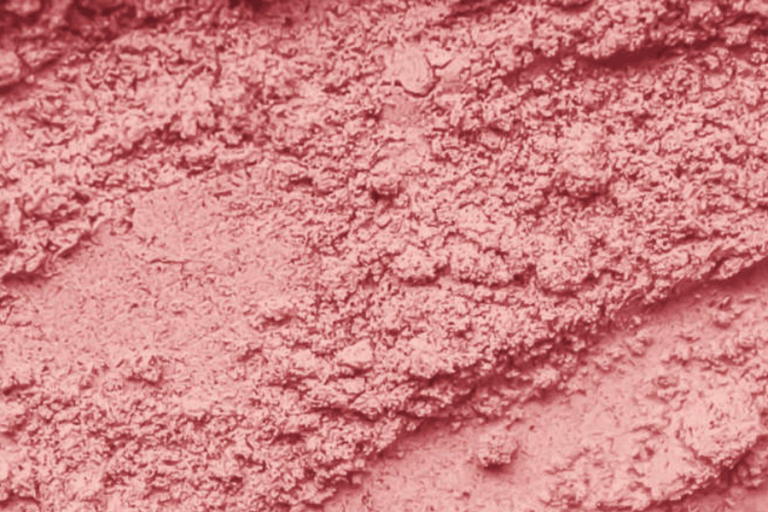
Over the last year, I’ve been hearing increasing chatter about a powder called Tusi, often marketed as “pink cocaine.” The name is catchy. The reality of the danger is not. Despite the nickname, Tusi typically doesn’t contain any actual cocaine at all, and critically, there is no standard recipe. That unpredictability is both the point and the problem (DEA, 2024; UNODC, 2024), especially when used by young people, out on the town, acutely unaware that the cocaine they are taking isn’t cocaine at all. Currently, the party and nightlife scene of young adults is where Tusi is being marketed.
Why’s It Called Tusi?
You’ll hear: Tusi, Tucibi, Tuci, Tussi, 2C, or “pink cocaine.” The label started years ago when some batches mimicked or occasionally contained something known as 2C-B (a psychedelic phenethylamine). As 2C-B access tightened, suppliers kept the brand name, dyed mixtures of other drugs pink, and the very misleading name stuck (UNODC, 2024; Palamar, 2023).
What is Tusi, and Why is its Use Increasing?
Tusi is a pink-dyed mixture and not a single drug. Analyses repeatedly find ketamine and MDMA as common bases, with highly variable additions: methamphetamine, other stimulants like ephedra, synthetic cathinones, local anesthetics, caffeine, opioids, and occasionally benzodiazepines. Along with cocaine, the2C-B for which the brand was named is usually absent entirely these days, even though it made Tusi’s high the big attraction on the nightclub scene. Because of the variability in the concoction, effects can swing from stimulant to dissociative to sedative in the same session: an overdose setup for sure (Palamar, 2023; DEA, 2024).
Tusi in the United States: What States Are Facing Problems
Tusi emerged in Colombia, spread through Latin America (Chile, Argentina, Uruguay, Mexico), Spain/Ibiza, and is now appearing in the U.S. Specifically, Florida, New York, and Colorado all have credible, reported documented exposures and seizures related to Tusi. Miami, FL, forensic toxicology labs have reported multiple deaths in the last few years and hundreds of overdoses related to “pink cocaine.” The New York DEA has documented lab-tested “pink cocaine” sold across Manhattan and through the NYC nightlife. In Colorado, a multi-agency DEA raid on an underground Colorado Springs club reported seizing Tusi. And while no specific seizure reports have been mentioned in California, the DEA’s national brief warns that Los Angeles is a known US locus. America’s Poison Centers logged 18 exposures across 4 US states in the last year, and while they do not list the state publicly, that data aligns with the four states noted here (DEA, 2024; America’s Poison Centers, 2024; EMCDDA, 2025).
How Tusi’s Used and What Are The Side Effects?
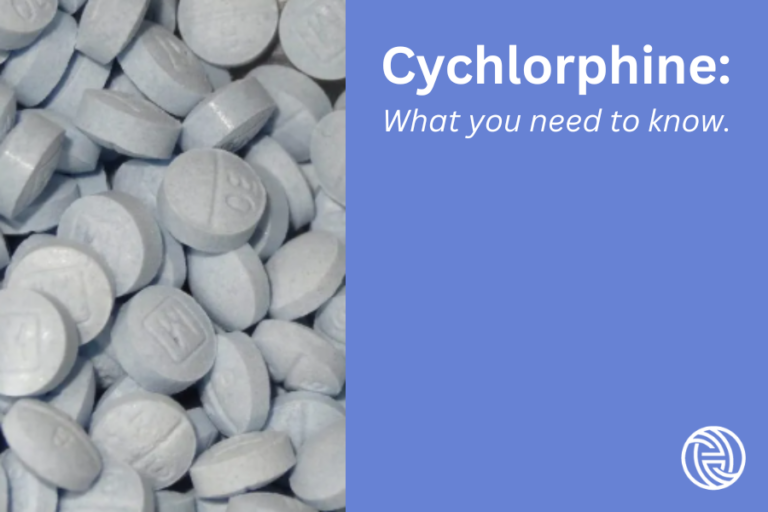
Most often, Tusi is snorted as a powder. That route brings a fast, intense rush but also heightens the risk of overdose and acute side effects. Some people swallow it in capsules or mix it into drinks, which delays the onset and can trick users into taking more before the first dose peaks. Less commonly, it shows up as tablets. In all cases, it tends to be used in nightlife settings, like dance clubs, raves, or parties, where the environment itself can amplify risks through dehydration, overheating, recreational user inexperience, and mixing with alcohol or other substances.
The side effects reflect the cocktail inside. When stimulant-heavy, Tusi produces euphoria, sociability, and bursts of energy, but also rapid heartbeat, high blood pressure, anxiety, or paranoia. If ketamine dominates, the effects tilt toward detachment from reality, distorted perceptions, and impaired coordination. Added opioids (including fentanyl) or benzodiazepines can bring sedation or even life-threatening respiratory depression. MDMA in the mix raises the danger of serotonin syndrome, especially if combined with already prescribed antidepressants or other stimulants such as for ADHD.
Even when no immediate crisis occurs, the aftermath is often rough. Many users describe a crash that includes exhaustion, irritability, depression, and sleeplessness. Over time, repeated exposure can leave its mark: memory problems, mood swings, bladder or urinary tract damage linked to ketamine, cardiovascular strain from stimulants, and the risk of developing substance dependence.
What makes Tusi uniquely risky is its unpredictability. A pink powder that looks identical from one batch to another can contain wildly different drugs, doses, and interactions. One night it might act like a party drug; the next, it might trigger a medical emergency. That’s why clinicians and public health experts stress that there is no safe way to experiment with Tusi. Its brand is marketing; it is extremely dangerous, and its medical risks are real.
Short and Long-Term Dangers of Tusi
Unpredictability results in a high overdose risk. There is no standard dose and no standard mix. Users can experience stimulant toxicity, ketamine-related dissociation, serotonin toxicity, or respiratory depression if opioids or benzos are present (Palamar, 2023; DEA, 2024). Branding lowers perceived risk. The pink dye, sweet aromas, and party marketing trivialize the danger (DEA, 2024).
“Pink Cocaine” vs. White Cocaine: What’s the Difference?
Despite the nickname, pink cocaine and cocaine are not at all the same thing. White cocaine is a single, well-defined drug, cocaine hydrochloride, derived from coca leaves. Its effects are relatively predictable: intense stimulation, euphoria, increased confidence, rapid heartbeat, and a moderate risk for dependence. Cocaine has been studied extensively, and while it’s dangerous and addictive, its pharmacology is understood.
Pink cocaine is something else entirely. It’s not one drug but a brand name for a mixture. Users don’t know what they’re taking, and even two bags of “Tusi” purchased in the same city can have completely different ingredients.
The biggest difference is predictability. With cocaine, a user may still face overdose, cardiovascular problems, or long-term addiction, but the effects are consistent with stimulant use. With pink cocaine, the experience can swing wildly: one dose may act like ecstasy, another like ketamine, and another may contain fentanyl, making overdose or death far more likely.
In short:
- White cocaine = one drug, one predictable stimulant profile.
- Pink cocaine = many drugs, no standard formula, unpredictable and often more dangerous.
This distinction matters for public health messaging: the term “pink cocaine” misleads people into assuming it’s a colorful version of a familiar drug, when in reality it’s a random chemical cocktail wrapped in clever marketing.
How authorities and the industry are responding
Law enforcement and regulatory agencies are increasingly treating Tusi not as a novelty but as an emergent threat. The response has multiple fronts:
- Warnings and public alerts
- The U.S. DEA has an official “Pink Cocaine / Tusi” fact page, noting that since 2020 it has seized nearly 960 “pink powder” exhibits, and warning that many contain combinations such as ketamine, MDMA, methamphetamine, fentanyl, or cocaine. DEA
- Regional/local authorities have issued warnings. For example, authorities in Michigan/Metro Detroit publicly announced that “pink cocaine” had been located in Warren, urging parents and communities to talk about it. WDIV
- In New York City, the U.S. federal government (DEA, U.S. Attorney’s Office) has flagged Tusi in press releases and media coverage, noting its infiltration via social media and party settings, and the risk of fentanyl adulteration. CBS News+2ABC7 New York+2
- Seizures, investigations & interdiction
- In several U.S. locales, Tusi is turning up in drug busts and nightlife-scene raids. For example, a recent Colorado Springs nightclub raid by DEA and multiple federal agencies reportedly seized Tusi among other drugs. The Guardian+1
- Authorities are paying special attention to import routes and trafficking chains. The DEA notes that while many Tusi powders are seized at the retail level (in clubs, urban settings), larger “pink powders” are also being intercepted in transit. DEA+1
- Some prosecutions emphasize that the pink dye and marketing (e.g., calling a drug “pink cocaine”) is used to mask or mislead users and law enforcement. In New York, prosecutors have broken up operations that shipped Tusi via mail or messaging apps. ABC7 New York+1
- Laboratory testing and forensic analysis
- When seizures occur, law enforcement labs test samples to identify the constituent substances. Because Tusi is a mixture, forensic labs are working to detect not only “known drugs” (ketamine, MDMA, opioids) but also novel psychoactive substances (NPS). DEA+1
- These lab findings are increasingly cited in public alerts, forensic bulletins, and in media stories to show how extreme variability is the rule, not the exception. ABC7 New York+2CBS News+2
- Coordination & intelligence sharing
- Because Tusi’s supply chain often crosses national borders (Latin America → U.S./Europe), law enforcement agencies are coordinating more with international partners, sharing drug intelligence, sample data, and early warnings. DEA+2ABC7 New York+2
- Some regional coalitions or task forces in urban settings are beginning to fold Tusi into their emerging-drug monitoring: e.g., local narcotics divisions, social media monitoring, nightlife policing units. (e.g. in New York City, special narcotics prosecutor offices have made statements.) ABC7 New York+2CBS News+2
On the treatment and public health side, responses are more nascent but growing as Tusi becomes more visible. These include:
- Drug checking & community-based testing
- In places where harm-reduction infrastructure exists, drug checking programs are increasingly prioritizing Tusi as a target substance. By testing user-submitted samples and feeding back composition data (e.g., whether fentanyl or benzodiazepines are present), these services help reduce harm. addictionjournal.org+3opioidprinciples.jhsph.edu+3PMC+3
- In Colombia, NGO harm-reduction groups (e.g. Acción Técnica Social, ATS) run drug-checking, advocacy, and policy work. When Tusi was emerging, they used their presence in the harm-reduction space to raise alerts and generate data. UVic.ca
- Some model programs in North America and Europe that do drug checking for other synthetic/party drugs are evaluating how to expand coverage or messaging to include Tusi. UVic.ca+1
- Surveillance and epidemiology
- Researchers are beginning to incorporate Tusi into substance-use surveys and event-based surveillance, especially in nightlife or electronic dance music (EDM) communities. For example, a study on NY nightclub attendees estimated Tusi use and correlates. cfsre.org
- Addiction and substance use journals are publishing reviews and early‐data reports (e.g. Palamar’s 2023 review) to bring Tusi into academic awareness, informing clinicians, policymakers, and treatment providers. PMC+1
- Clinical awareness, training, and guidance
- Toxicology and poison control centers are issuing advisories about Tusi, highlighting that many exposures require medical care and hospitalization. (America’s Poison Centers reported 18 exposures in U.S. “pink cocaine” calls across four states in 2024) Poison Centers
- Clinicians are being urged to treat symptoms, not assume a single drug: for example, having naloxone available (in case opioids are involved), using benzodiazepines for agitation, cooling/fluids for hyperthermia, and being vigilant for mixed toxidromes (stimulant + depressant) in the same patient. (This is “standard-of-care” adaptation) PMC+2Tree House Recovery+2
- Some addiction treatment providers are integrating educational modules or training about polydrug “cocktail” risks (not just single substances) to address the reality of Tusi. (Though evidence is still emerging.)
- Public education, awareness campaigns, and media engagement
- Government and nonprofit groups are leveraging media and public health campaigns to warn about Tusi. For example, local news reports in New York describe special narcotics prosecutors and DEA agents alerting the public to the dangers of pink powders in nightlife. ABC7 New York+1
- Schools, community groups, parent organizations, and local health departments are beginning to incorporate Tusi into their substance-use prevention curriculum and messaging emphasizing that “pink cocaine” is not benign, and that you can’t tell what you’re getting.
- In harm-reduction and peer networks, social media, and party spaces, activists and educators are disseminating “know your dose, start low, never use alone, carry naloxone” style messages, adapted to polydrug reality.
What needs to be done
While some activity is underway, the response is still early. Here’s what efforts are in motion or urgently needed to strengthen prevention and control:
- Expand drug checking & early warning systems
Broader, lower-barrier drug-checking at festivals, nightlife venues, campuses, and peer settings is critical. These systems can issue real-time alerts when batches show dangerous adulterants (e.g. fentanyl). (As advocated in frameworks for illicit drug surveillance) opioidprinciples.jhsph.edu - Rapid public alerts & dashboarding
Health departments, poison control centers, and law enforcement should coordinate to put out rapid alerts when dangerous Tusi batches emerge—and maintain public dashboards that show geotagged exposures/seizures (while preserving privacy). - Target upstream supply chains
As Tusi traffickers operate across borders, enforcement must focus not just on street-level dealers but on precursor chemicals, import routes, trafficking networks, and the labs that create these mixtures. - Social media monitoring and digital suppression
Because Tusi is often marketed and distributed via messaging apps and social media, authorities and public health agencies need tools for digital surveillance, interrupting deals, and redirecting users to warnings or help resources (without driving everything underground). - Integrate Tusi into prevention curriculums
Prevention programming in schools, youth groups, community centers must update their curricula to include “pink powders / mixtures / cocktail drugs,” rather than focusing exclusively on heroin, cocaine, or single substances. The narrative must change from “drug X” to “unknown mixtures.” - Training for clinicians, first responders, SUD providers
Expand continuing education modules so emergency physicians, paramedics, addiction clinicians, toxicologists, and behavioral health clinicians can recognize mixed toxidromes and manage uncertainty. - Research & funding
More funding for epidemiological monitoring, forensic chemistry, behavioral studies, overdose risk modeling, and intervention trials specific to polydrug mixtures like Tusi is urgently needed. - Cross-sector coalitions
Create coalitions across public health, law enforcement, nightlife venue operators, harm reduction groups, and community organizations to share intelligence, coordinate messaging, and build trust in suppressed communities.
Treatment Options for Tusi’s Dangerous Side Effects
There’s no single antidote because Tusi isn’t a single drug. Treatment follows the effects present: supportive management, benzodiazepines for agitation, IV fluids/cooling for hyperthermia, and naloxone if opioid toxicity is suspected. Follow-up care should match the dominant pattern (e.g., stimulant or club-drug use) using contingency management, motivational therapy, SFT and CBT, peer support, and management of co-occurring conditions (Palamar, 2023; America’s Poison Centers, 2024).
If you or someone you know is struggling with drug use, our team at Holon can help.
References
- America’s Poison Centers. (2024). Emerging drug threats report. https://poisoncenters.org
- DEA. (2024). Drug fact sheet: Pink cocaine (Tusi). U.S. Drug Enforcement Administration.
- EMCDDA. (2025). European Drug Report 2025. European Monitoring Centre for Drugs and Drug Addiction.
- Palamar, J. J. (2023). Review of Tusi (“pink cocaine”): Composition, patterns of use, and health risks. *International Journal of Drug Policy.*
- UNODC. (2024). Global SMART Update: Emerging synthetic combinations in Latin America. United Nations Office on Drugs and Crime.