The Cycle of Addiction
by Dr. Traci Sweet, Psy.D | 10. 23. 2024
The cycle of addiction involves brain chemistry, tolerance, withdrawal, and the body's changing response to substances over time.
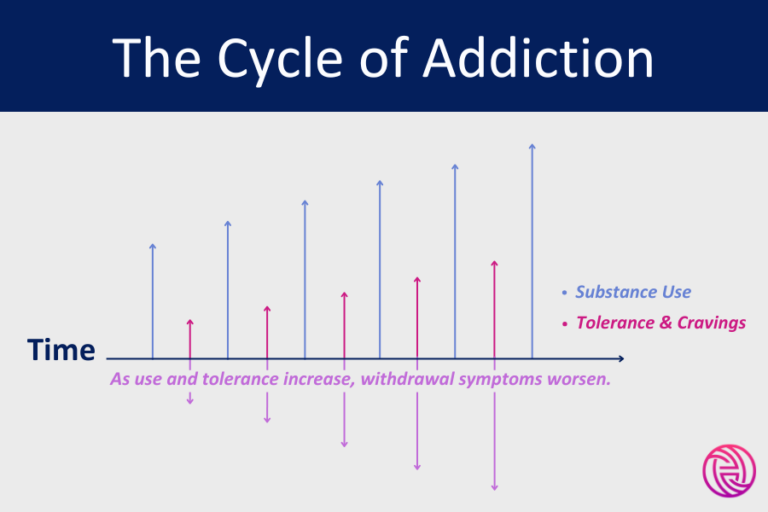
The cycle of addiction involves brain chemistry, tolerance, withdrawal, and the body's changing response to substances over time.

Medication-Assisted Treatment (MAT) refers to the use of medications combined with counseling and behavioral therapies to treat substance use disorders. It’s a comprehensive, evidence-based approach that supports the whole person

Addiction recovery is rarely a straight line. Relapse can happen, and progress may feel painfully slow. But recovery is possible. Don't lose hope.

With more recovery options than ever, understanding the differences between online addiction treatment and in-person treatment is critical.
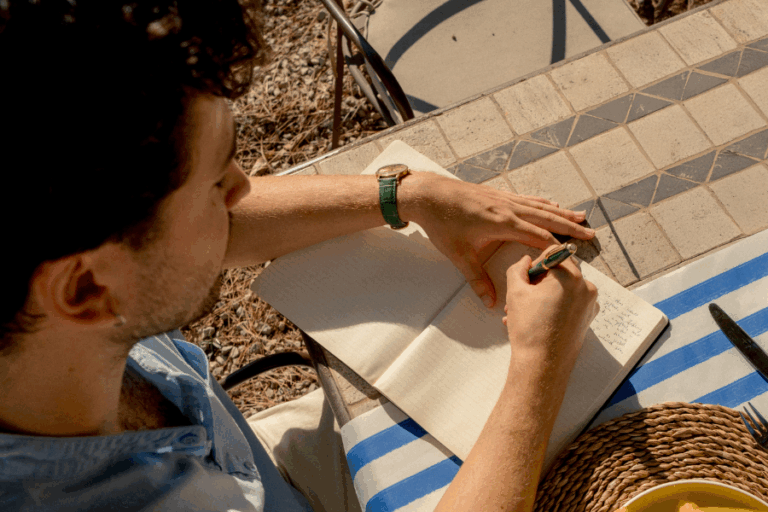
Relapse is the process of returning to substance use after a period of abstinence. It usually doesn’t happen suddenly; instead, it often unfolds in stages where there are noticeable warning signs.
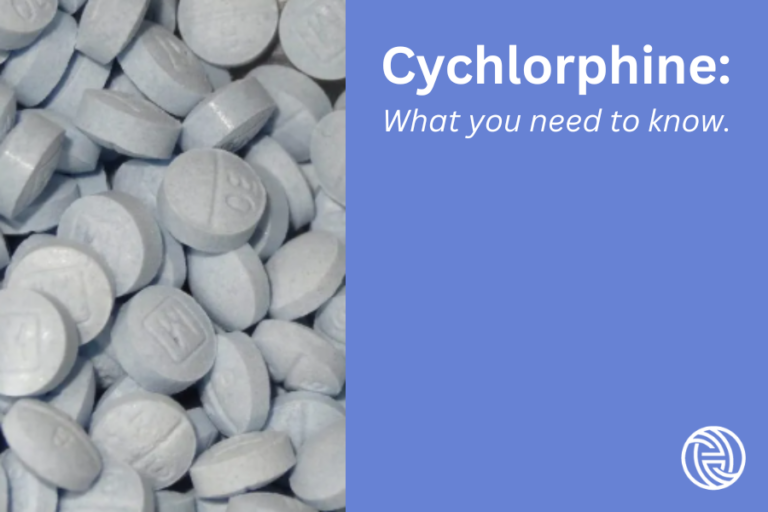
Several features of cychlorphine make it distinctly more dangerous than even the synthetic opioids that have dominated the overdose crisis for years. You can’t see it or taste it, for example.
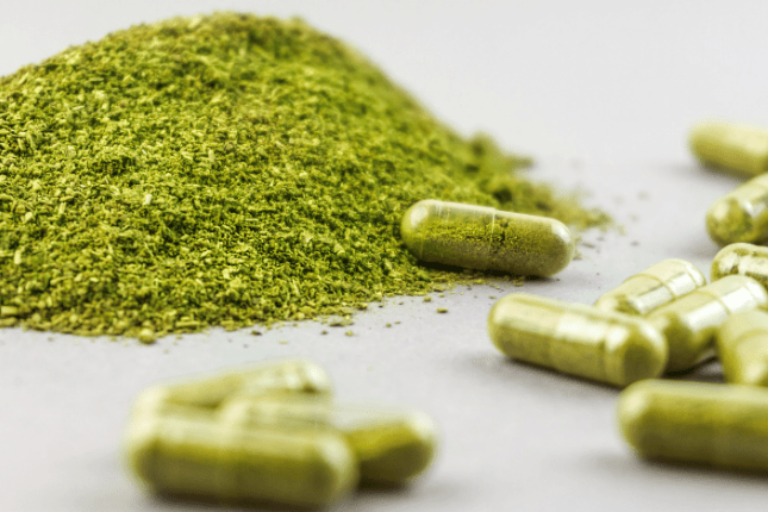
Regular kratom use can lead to tolerance, physical dependence, and withdrawal symptoms that mirror opioid withdrawal, including anxiety, irritability, insomnia, muscle aches, nausea, and intense cravings.

The emergence of medetomidine represents a significant shift in the opioid crisis. Healthcare systems, harm reduction programs, and addiction treatment providers need to adapt quickly.

Learn about Ibogaine: the psychedelic plant people are calling a game-changer for substance use disorder.
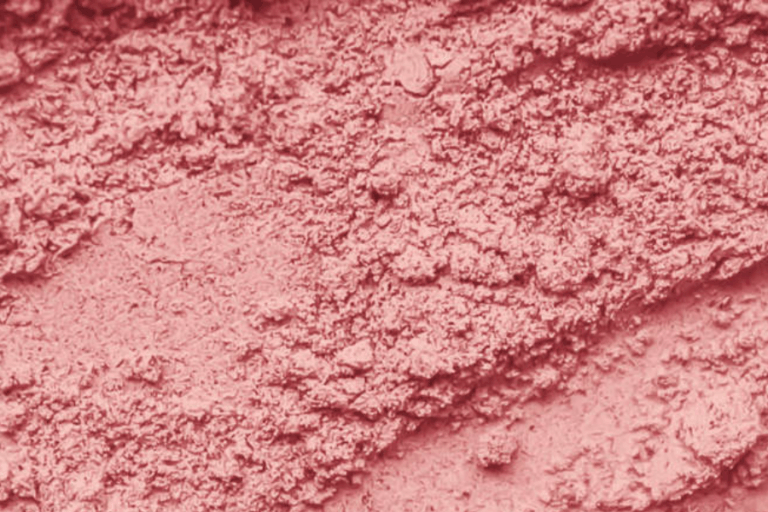
Despite the nickname, pink cocaine and cocaine are not at all the same thing. White cocaine is a single, well-defined drug and "pink cocaine" aka "Tusi" is something else entirely. It’s not one drug but a brand name for a mixture.